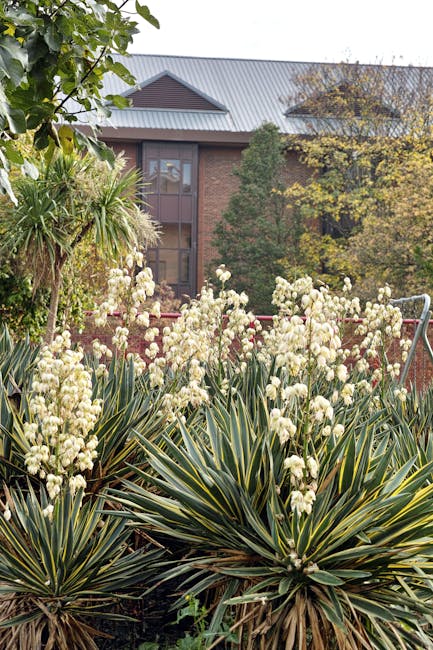
Millbank gardeners case study Tate Britain front garden: a practical guide to thoughtful Westminster garden care
If you are looking into a Millbank gardeners case study Tate Britain front garden, you are probably after more than a pretty before-and-after. You want to understand what good garden work looks like in a prominent London setting, how the process is handled, and what makes a front garden feel polished without becoming overdone. That matters a lot in Millbank, where entrances, sightlines, footfall, and presentation all pull in different directions. A front garden can be small, but the decisions are rarely simple. Truth be told, that is where the craft shows.
This article breaks down the practical side of a front garden project in the Tate Britain area: the planning, the finish, the maintenance, the common mistakes, and the best way to keep everything looking calm and credible through the seasons. You will also find a step-by-step approach, a comparison table, a checklist, and a realistic example of how a local gardening team might approach the work. For a broader view of available services, you can also explore the full services overview and the company's background and approach.
Table of Contents
- Why Millbank gardeners case study Tate Britain front garden Matters
- How Millbank gardeners case study Tate Britain front garden Works
- Key Benefits and Practical Advantages
- Who This Is For and When It Makes Sense
- Step-by-Step Guidance
- Expert Tips for Better Results
- Common Mistakes to Avoid
- Tools, Resources and Recommendations
- Law, Compliance, Standards, or Best Practice
- Options, Methods, or Comparison Table
- Case Study or Real-World Example
- Practical Checklist
- Conclusion
- Frequently Asked Questions
Why Millbank gardeners case study Tate Britain front garden Matters
A front garden near Tate Britain is not just decorative space. It is the first visual cue people get before they reach the building, a residence, or a managed property. In places like Millbank, that first impression carries weight. Visitors, neighbours, passers-by, and staff all notice whether a space feels maintained, welcoming, and coherent. And if the garden sits close to a busy street, it also has to cope with dust, shade, wind, and heavy human traffic. You feel those pressures quickly once you start walking the site.
That is why this kind of case study matters. It shows how garden work is adapted to a London environment rather than copied from a suburban template. The right approach may involve controlled planting, tidy edges, a sensible maintenance rhythm, and careful attention to access. A front garden in this context often needs to look composed even on a grey Tuesday morning in February, not just in peak summer. That is the real test.
There is also a reputational side to it. A front garden at an iconic location like Tate Britain sits within a wider visual landscape. Any work carried out there must respect the setting, nearby architecture, and the flow of people around the space. Good gardeners understand that the aim is not to shout. It is to support the place. Quietly, but properly.
Key takeaway: a successful Millbank front garden project is about balance - presentation, durability, access, and maintenance all need to work together, or the result feels a bit off.
How Millbank gardeners case study Tate Britain front garden Works
Most well-run front garden projects follow a structured process, even if the final result looks effortless. First comes the site read. That means looking at soil condition, drainage, shade, foot traffic, visibility from the street, and any fixed features already in place. In a location like Millbank, the team also has to think about how the garden is experienced from a distance. A bed that looks fine up close may read as messy from across the road. That happens more than people expect.
Next comes the design logic. Front gardens do not need loads of planting to feel attractive. In fact, too much can make a space look cramped and hard to maintain. A better approach is usually a restrained layout: one or two strong focal points, layered structure, neat edges, and planting that can cope with London's conditions. For more involved transformations, a team may draw on landscape gardening expertise or broader landscaping services to improve structure and flow.
Then comes preparation. This can include clearing old growth, removing tired material, trimming back overgrown hedges, and checking whether the lawn needs renovation or replacement. If the area has become cluttered over time, a targeted garden clearance can make the rest of the work much cleaner and faster. Not glamorous, but essential.
Finally, the finish. This is where edging, pruning, surface cleanup, and plant placement all matter. A front garden should feel intentional. Not forced. Not overworked. The best results are often the quietest ones - the sort of finish that looks like it has always belonged there.
Key Benefits and Practical Advantages
There are several reasons why a carefully managed front garden project is worth the effort, especially in a visible London setting.
- Better first impressions: a tidy entrance supports the building, the street, and the people who use it.
- Lower long-term maintenance: smart planting and structural choices reduce how often the space needs rescuing.
- Improved access and movement: clear pathways and sensible layout help people move through the space comfortably.
- Seasonal resilience: the garden is less likely to look bare, scruffy, or chaotic when conditions change.
- Stronger property presentation: even modest planting can make a noticeable difference to how a site feels.
- Cleaner day-to-day upkeep: easy-to-manage borders and defined edges save time during routine maintenance.
There is also a subtle psychological benefit. People relax a little when the space outside a building feels cared for. They may not consciously think, "This border was pruned with real intention," but they do notice that the place feels settled. That counts. Especially in a busy part of Westminster where visual noise is already everywhere.
Who This Is For and When It Makes Sense
This kind of project suits a few different situations. If you manage a front garden near a cultural site, a public-facing property, or a high-traffic London entrance, the need is obvious. But it also makes sense for smaller spaces that have become awkward over time. Maybe the planting is too dense. Maybe the lawn struggles with shade. Maybe the hedge is doing that thing hedges do when they are left a bit too long. We have all seen it.
It is also a good fit for anyone who needs the space to look presentable without constant intervention. That could be a resident, a property manager, a small institution, or a business with visitors arriving regularly. If the garden needs to look decent in January as well as June, a practical maintenance plan matters more than a purely decorative one.
In many cases, the best moment to act is before the garden becomes a problem. Once access narrows or shrubs start blocking sightlines, the fix gets more involved. If the work is part of an ongoing maintenance cycle, browsing garden maintenance options can help you understand what regular care looks like. For fuller upkeep across the season, lawn mowing and hedge trimming may also be part of the picture.
Step-by-Step Guidance
If you are planning a front garden project in the Millbank and Tate Britain area, this is the practical flow that usually makes the most sense.
- Start with a site assessment. Check sunlight, drainage, access, existing plants, visibility, and any awkward corners. A front garden can hide little surprises, especially near old walls or compacted ground.
- Decide the main purpose. Is the space meant to welcome visitors, soften a frontage, support biodiversity, or simply stay neat? One clear purpose keeps the design honest.
- Remove what no longer helps. Old dead growth, overcrowded shrubs, broken edging, and tired surfaces can all get in the way. This is often where a clearance phase earns its keep.
- Set the structure first. Paths, borders, edges, and any hard landscaping should be settled before planting begins. Structure is the skeleton; planting is the clothing.
- Choose planting with restraint. Pick species that suit the light and the site pressure. Too many species can make upkeep messy, fast.
- Check for practical access. Make sure gardeners can mow, prune, water, and inspect the area without squeezing around things every five minutes.
- Install and tidy carefully. After planting or reshaping, sweep, level, and finish the edges neatly. Small details matter more than people think.
- Plan the aftercare. Even the best garden needs routine attention. Agree the frequency before the work is declared finished.
A simple way to think about it: build for the garden you can maintain, not the garden you wish you had time for. That little shift saves trouble later.
Expert Tips for Better Results
Experienced gardeners tend to focus on the bits that keep a front garden looking good after the initial excitement has worn off. That is where the real value sits.
- Use repetition, not clutter. Repeating a few well-chosen plants or shapes creates calm. Randomness can look unplanned very quickly.
- Protect sightlines. In public-facing areas, it helps to keep taller growth where it adds depth, not where it blocks movement or visibility.
- Think in layers. Low edging, mid-height planting, and a small number of vertical accents often work better than a flat bed full of mixed heights.
- Prioritise maintenance access. If gardeners cannot reach it easily, it will become a problem later. Simple as that.
- Allow breathing space. Front gardens often look better when they are not packed to the brim. Empty space can be part of the design.
- Match materials to the setting. A high-end London frontage usually benefits from subtle finishes rather than flashy ones.
One practical observation from real jobs: people often overestimate how much planting they need and underestimate how much edging and cleanup affects the result. The edge line is doing a lot of work. A lot.
If you are also considering structural improvements, decking services may be relevant for connecting outdoor zones in a cleaner way, though only where it genuinely suits the site. Not every front garden needs it, and to be fair, many do not.
Common Mistakes to Avoid
Front gardens fail in predictable ways. Luckily, most of the problems are preventable if you know what to look for.
- Overplanting: too many plants make a small front garden feel crowded and harder to manage.
- Ignoring drainage: waterlogged soil can quietly undo otherwise good planning.
- Choosing style over function: a garden that photographs well but cannot be maintained soon becomes a burden.
- Leaving pruning too late: once growth blocks access or sightlines, catch-up work can be more disruptive.
- Skipping aftercare: plants need time to settle, and the first few weeks matter more than many people realise.
- Using the wrong maintenance rhythm: the space may need little and often rather than big occasional interventions.
A smaller mistake, but a common one: treating the front garden as a separate little island. In reality, it connects to the surrounding street, the building's frontage, and the way people approach the site. If those relationships are ignored, the finish feels disconnected. A bit odd, even if the planting is nice.
Tools, Resources and Recommendations
The best tools are usually the simple, reliable ones. For a front garden project, that often means sharp secateurs, hedge trimmers, edging tools, a mower if turf is involved, hand forks, rakes, and bags for waste removal. Good gloves matter too. Not glamorous, but your hands will thank you.
From a service perspective, it helps to know which tasks are handled separately and which are bundled into a maintenance plan. For example, ongoing care may involve routine visits, while bigger tidying jobs may sit under garden clearance or broader service planning. If tree work is affecting light or safety, tree lopping and removal may need to be considered carefully and only where appropriate.
It is also worth thinking about waste handling and sustainability. Green waste should be managed responsibly, and materials should be reused or recycled where practical. If that part matters to you, the company's recycling and sustainability approach is a sensible page to review. Small detail, yes, but it matters in a city where every skipped bag ends up being someone else's problem.
Law, Compliance, Standards, or Best Practice
For front garden work in London, compliance is mostly about acting carefully, safely, and respectfully. If a site is public-facing or near public access, there may be practical expectations around keeping pathways clear, avoiding hazards, and managing waste properly. Where trees, shared boundaries, or protected features are involved, extra caution is sensible. The exact requirements depend on the site and ownership structure, so it is wise not to assume.
Good practice usually includes:
- safe tool use and tidy site control
- clear communication about access and timings
- careful handling of plants and existing features
- appropriate insurance and risk awareness
- respect for neighbouring users, visitors, and pedestrians
If you are evaluating a contractor, it is reasonable to check their insurance and safety information and their health and safety policy. For more formal terms around service scope and responsibilities, the terms and conditions can also help clarify expectations. That kind of checking is not overcautious; it is sensible. Especially in a setting like Millbank.
Options, Methods, or Comparison Table
There are a few common ways to approach a front garden near Tate Britain, and the right one depends on how the space is used.
| Approach | Best for | Strengths | Limitations |
|---|---|---|---|
| Minimal maintenance scheme | Busy properties or small spaces | Easy to keep tidy, neat appearance, lower upkeep | Can feel too plain if not designed well |
| Structural planting scheme | Front gardens needing year-round shape | Reliable visual order, strong street presence | Needs good plant selection and pruning rhythm |
| Mixed garden and hardscape approach | Spaces needing access and definition | Balances function with design, easier movement | More planning required, higher installation complexity |
| Full renovation | Overgrown or awkward gardens | Resets the space completely, solves old problems | Takes longer and needs a clearer budget |
For many Millbank front gardens, the second or third approach is the sweet spot. Full renovation is only worth it when the existing setup is genuinely getting in the way. Otherwise, targeted improvement is often enough. That said, if the planting is exhausted and the layout has gone a bit sideways, a bigger reset can be the cleanest answer.
Case Study or Real-World Example
Here is a realistic example of how a local team might handle a front garden project near Tate Britain, without pretending there is one single "right" finish. Let us say the space is visible from the street, gets uneven light, and has become a little congested over time. The brief is simple enough on paper: make it smarter, easier to manage, and more in keeping with the building.
The first visit would probably focus on condition and constraints. Are there roots disrupting borders? Is the soil too dry under the shelter of walls? Does the garden need clearance before any real design work can happen? In many cases, the answer is yes to at least one of those, which is why the early tidy-up is so important.
From there, the team would likely reduce visual noise, retain the healthiest structural plants, define edges, and introduce a planting scheme that gives shape without becoming needy. A front garden like this often benefits from consistent maintenance rather than constant reworking. Once established, it should feel better in all seasons - spring freshness, summer fullness, autumn order, and winter discipline. Not dramatic. Just good.
A common detail in this sort of project is that the final improvements are often the smallest ones: cleaner edging, clearer access, better pruning height, and a tidier relation between paving and planting. People notice. Maybe not all at once, but they notice.
Practical Checklist
Use this checklist if you are planning or reviewing a front garden project in Millbank.
- Have you defined the main purpose of the garden?
- Have you checked light, drainage, and access conditions?
- Is there any overgrowth that should be cleared first?
- Are paths, edges, and boundaries clearly set out?
- Have you chosen plants that suit the site rather than just the look?
- Can the garden be maintained without awkward stretching or squeezing?
- Is there a plan for regular pruning, mowing, or general upkeep?
- Have you thought about sustainability and waste handling?
- Do the expected works fit the property's appearance and traffic level?
- Have insurance, safety, and service terms been reviewed?
Practical summary: if the garden is easy to enter, easy to read, and easy to maintain, it will usually stay attractive for far longer. That is the whole game, really.
Get a free quote today and see how much you can save.
Conclusion
A strong Millbank front garden near Tate Britain is not about making a loud statement. It is about making the right one. The best projects respect the setting, support movement, reduce maintenance pressure, and leave the space feeling calm in a way that is surprisingly hard to achieve. When it is done well, people tend to walk past without thinking about the work at all. And that is usually the sign it has been done properly.
If you are comparing options or planning a refresh, start with the practical questions: what the space needs, how often it can be maintained, and what kind of finish will still look good after the novelty wears off. Once those answers are clear, everything else becomes easier. A bit more manageable. A bit less guesswork.
For readers who want to learn more about the company behind the work, the about us page is a sensible place to start, and the contact page is there when you are ready to talk through the details. Sometimes a short conversation saves a lot of second-guessing later on. And that is no bad thing.
Frequently Asked Questions
What does a Millbank gardeners case study Tate Britain front garden usually cover?
It usually covers how a front garden in a prominent London setting is assessed, cleared, shaped, planted, and maintained so it looks good and works well in everyday use.
Why is a front garden near Tate Britain treated differently from a private back garden?
Because it has more public visibility, more foot traffic nearby, and a stronger need for neat presentation, access, and practical durability. It has to perform in the street-facing world, not just in your own view.
How often should a front garden in Millbank be maintained?
That depends on the planting and exposure, but most visible front gardens benefit from regular light maintenance rather than occasional heavy work. Little and often usually wins.
Is garden clearance always needed before redesigning a front garden?
Not always, but it is common if the space has become overgrown, cluttered, or difficult to assess properly. A clean starting point makes the rest of the work more accurate.
What kind of planting works best in a London front garden?
Plants that suit the light, tolerate city conditions, and keep a reasonably tidy shape are often the best choice. The exact mix depends on the site, but restraint usually helps.
Can a small front garden still make a strong impression?
Yes, absolutely. Small spaces often make the biggest impression when edges are clean, proportions are balanced, and the layout is not overcrowded.
What are the biggest mistakes people make with front garden projects?
The biggest ones are overplanting, ignoring drainage, choosing the wrong maintenance level, and skipping aftercare. Those four cause a lot of avoidable headaches.
How do I know whether I need landscaping or general maintenance?
If the structure or layout needs changing, landscaping may be the better fit. If the garden is already workable but just needs regular care, maintenance is usually enough. Sometimes it is a mix of both.
Are health and safety checks important for garden work in a public-facing area?
Yes, they are. Any work involving tools, access routes, waste, or nearby pedestrians should be handled carefully. Checking the contractor's safety approach is sensible.
Can front garden work include hard landscaping features?
Yes, if they genuinely improve the space. Path edges, paving transitions, or small structural features can help, but they should support the garden rather than dominate it.
How long does a front garden project usually take?
That varies a lot with scale, access, and condition. A tidy-up can be relatively quick, while a full redesign with clearance and planting naturally takes longer.
What should I ask before booking garden work in Millbank?
Ask what is included, how waste is handled, what aftercare is needed, and whether the team is set up for the kind of site you actually have. A clear answer now saves confusion later.