Millbank gardeners SW1P terrace gardens guide
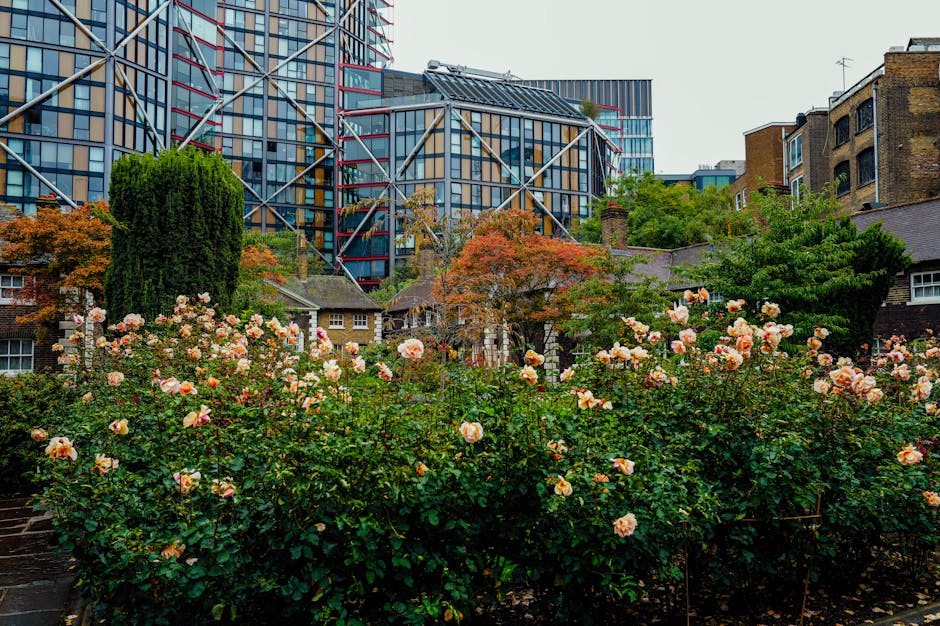
If you live in Millbank or anywhere in SW1P, you already know terrace gardens are a bit of a special case. They can be calm, elegant, and surprisingly lush, but they also bring their own headaches: awkward access, shallow soil, wind exposure, shade from nearby buildings, and not quite enough room for the "quick fix" ideas you see elsewhere. This Millbank gardeners SW1P terrace gardens guide is here to make that all feel manageable, whether you are improving a small private terrace, a rooftop-style garden, or a tucked-away outdoor space that needs more structure and less fuss.
Done well, a terrace garden can feel like a private room outdoors. Done badly, it becomes cluttered, thirsty, and a little sad by mid-summer. Let's be fair, most people do not need a dramatic redesign; they need the right decisions, made in the right order, with a practical eye on maintenance. That is what this guide focuses on: what works, what does not, and how local gardeners think about terrace spaces in central London.
Along the way, we will cover design, planting, maintenance, compliance, and a realistic step-by-step process. If you are comparing services, it may also help to look at the wider services overview or read more about garden maintenance and landscape gardening for a broader picture of what is possible.
Practical takeaway: a good terrace garden in SW1P is not about cramming in more plants. It is about using the space intelligently so it looks good in February, not just in June.
Why Millbank gardeners SW1P terrace gardens guide Matters
Terrace gardens in Millbank are rarely blank slates. More often, they are compact, exposed, and already shaped by the building itself. That means the usual "dig bigger beds and plant lots of shrubs" advice does not really help. In SW1P, the layout, light levels, and access route often matter as much as the plants you choose. A south-facing terrace can bake in summer. A north-facing one can feel cool and shaded for much of the day. Add wind tunnels between buildings and the odd rain shadow, and the site begins to dictate the plan.
That is why experienced local gardeners treat terrace work as a mix of design, horticulture, and practical logistics. The garden has to look attractive, yes, but it also needs to fit the way you live. Do you want somewhere to sit with a coffee on a quiet morning? Do you want privacy from neighbours overlooking the space? Do you need low-maintenance planting because you travel often or simply do not want to spend every weekend deadheading? Those details shape everything.
There is also the matter of materials. On terraces, weight and drainage matter far more than people expect. Heavy planters, poor drainage layers, and badly positioned furniture can create nuisance, not comfort. In our experience, the best terrace gardens are the ones where the boring bits were handled first: checking access, protecting surfaces, planning water run-off, and choosing the right containers. Not glamorous. Very necessary.
Millbank gardeners working on terrace spaces also need to think about long-term upkeep. A planting scheme that looks beautiful in spring but becomes leggy and dry by August is not much use. A sensible guide helps you avoid those disappointments and makes the space easier to live with year-round. That is the real point here.
How Millbank gardeners SW1P terrace gardens guide Works
A terrace garden project usually starts with the site itself. Good gardeners look at sunlight, wind, privacy, load-bearing considerations, access, and how the space is currently used. On a compact SW1P terrace, even a small change in layout can make the area feel twice as usable. Sometimes a bench shifted by a metre does more than a whole new planting bed. Strange, but true.
The process then usually moves into three connected parts: structure, planting, and maintenance. Structure means the bones of the garden - planters, screens, decking, paving, seating, or any layout change that gives shape to the space. Planting comes next, and this is where the garden gets its mood. Maintenance is the quieter part, but it decides whether the garden thrives or quietly declines. A terrace garden without a maintenance plan often ends up looking tidy for a month, then a bit tired. Happens all the time.
For many Millbank properties, the best approach is to work in layers. Tall planting or screening at the back or sides, mid-height planting to soften edges, and lower planting where people walk or sit. This creates depth in a small area without making it feel cramped. It also gives you more flexibility. If one plant struggles, the whole design does not collapse. That is useful when the weather turns and London does its classic "warm one week, damp and windy the next" routine.
There is also a practical management side. Good gardeners think ahead about watering, drainage, seasonal pruning, and how easily the terrace can be kept clean. If there is no outdoor tap, watering strategy matters. If the terrace catches debris from nearby trees or rooftops, leaf clearance matters. If pots sit on a membrane or delicate paving, weight distribution matters. Little things. But they add up quickly.
Key Benefits and Practical Advantages
A well-planned terrace garden gives you much more than a nicer view. It can improve how you use the property every day. For city homes and flats in SW1P, that is a big deal. Outdoor space is precious, and if it is awkward, underused, or constantly messy, it feels smaller than it is. A thoughtful garden flips that around.
- Better use of limited space: smart layout makes a compact terrace feel open rather than cluttered.
- More privacy: screening planting, trellis work, or container arrangements can soften overlooking from nearby buildings.
- Improved visual calm: a coherent planting scheme reduces visual noise and makes the space feel restful.
- Easier maintenance: the right plants and materials cut down on constant repairs and replacement.
- Seasonal interest: a proper mix of evergreen structure and seasonal planting keeps the garden attractive for more months of the year.
- Better drainage and surface protection: this is often overlooked, but it protects the terrace itself from avoidable wear.
There is a small but important lifestyle benefit too. When a terrace garden feels finished, you use it more. People step outside for tea, for reading, for five quiet minutes at the end of the day. That sounds simple, maybe even a bit sentimental, but it is usually the difference between a decorative outdoor area and a genuinely useful one.
If you are planning more than routine upkeep, it may also be worth browsing landscaping options or checking the company's pricing and quotes page so you can compare scope and service levels before making decisions.
Expert summary: on a terrace, the best outcome is usually not the fanciest one. It is the one that balances drainage, sunlight, privacy, and maintenance in a way that suits real life.
Who This Is For and When It Makes Sense
This guide is for anyone with a terrace garden in Millbank or SW1P who wants the space to feel more intentional. That could mean a small flat terrace that needs a soft refresh, a larger roof terrace that lacks structure, or a private outdoor area that has become overgrown, bare, or simply inconvenient to use. If you have ever stood outside and thought, "It should be better than this," you are probably in the right place.
It makes sense to take a proper garden approach when any of these apply:
- You want the terrace to feel more private or sheltered.
- Your current planting struggles with wind, shade, or drying out too quickly.
- The space looks cluttered, uneven, or unfinished.
- You want lower-maintenance planting that still looks good.
- The terrace surface needs protection or better drainage management.
- You are preparing the property for regular entertaining or more day-to-day use.
It also makes sense if you are working with a professional for the first time. Not everyone needs a full redesign, but a good gardener can spot the weak points fast. Maybe the planting is fine but the containers are wrong. Maybe the layout is fine but the watering setup is a headache. Maybe the whole thing just needs thinning out and simplifying. To be honest, simplifying often helps more than people expect.
This is especially relevant in central London, where outdoor space can be valuable but awkward. The right approach depends on the building, the exposure, and how much time you actually want to spend maintaining it. There is no point pretending otherwise.
Step-by-Step Guidance
1. Assess the terrace honestly
Start by noticing what the space really does over the day. Where does the sun fall at 9am, lunchtime, and late afternoon? Which corners stay damp? Where does the wind hit first? Sit in the space for ten minutes if you can. You will notice things that are easy to miss in a quick walk-through. The noisy corner. The oddly dark strip beside the wall. The place where leaves gather every time.
2. Decide what the garden needs to do
Is the terrace mainly for relaxing, entertaining, planting, screening, or all four? A space that is supposed to do everything can end up doing none of it well. Decide on the main purpose first. For example, if privacy is the priority, you may need taller screening and fewer low, decorative details. If entertaining is the priority, circulation and seating matter more than dense planting.
3. Build the structure before the planting
On compact terraces, the structure is the framework that prevents the design from feeling messy. This can include paving, decking, planters, rail screens, furniture placement, and simple zoning. If the space needs hard landscaping or a more complete rework, it may help to review decking services or broader garden clearance support before starting the planting phase. Clearing, simplifying, and fixing the surface first often saves money later. A lot later, sometimes.
4. Choose plants for conditions, not just looks
Here is where many terrace projects go sideways. Beautiful plant, wrong site. For SW1P terraces, consider wind tolerance, root size, sun exposure, and how often the plant will need watering. A thirsty plant in a hot, exposed container will become a chore. An evergreen with strong structure can do much more for the design than a display of short-lived flowers that collapse by late summer. Mix texture, height, and seasonality, but keep it manageable.
5. Plan irrigation and maintenance from the start
If you do not have time for daily watering in a heat spell, the planting plan needs to reflect that. Self-watering planters, grouped containers, mulch, and sensible plant choice can all reduce the burden. Then set a realistic maintenance rhythm: weekly checks in the growing season, light pruning where needed, leaf clearance in autumn, and periodic reviews of drainage and plant health.
6. Add the finishing touches carefully
Finishing touches should support the garden, not overload it. A couple of well-chosen pots, a simple seating arrangement, subtle lighting, or a privacy feature can lift the whole space. Too many accessories make a terrace feel busy and oddly smaller. Less, in this case, is often more. Annoyingly so, sometimes.
Expert Tips for Better Results
There are a few habits that separate a decent terrace garden from one that really holds up in everyday use. These are the sorts of details experienced gardeners keep an eye on.
- Prioritise weight planning: use appropriate containers and materials so you do not overload the terrace.
- Use evergreen structure: even a small amount of evergreen planting keeps the space alive in winter.
- Repeat materials: too many different pot styles or finishes can make the space feel visually noisy.
- Think about the view from inside: the terrace should look good from the room as well as when you are standing on it.
- Leave room for movement: if you have to shuffle sideways around every planter, the layout is working against you.
- Group plants by water needs: this makes upkeep easier and reduces random failures.
One very practical tip: do not fill every corner on day one. Terrace gardens often improve after the first season once you see how the site behaves. Maybe a planter blocks a line of sight. Maybe a plant gets scorched. Maybe the shady corner is better for ferns than flowers. Leave space to adjust. That flexibility pays off.
Another good habit is seasonal review. Look at the garden in early spring, midsummer, and after leaf fall. It sounds obvious, but a terrace can change a lot across a year. The wind angle is different. The light shifts. The place that felt cosy in April may feel exposed in August. Tiny changes in arrangement can make a big difference.
Common Mistakes to Avoid
There are a few recurring mistakes we see in terrace gardens. Most are understandable. People want quick results. But the mistakes are avoidable if you know what to watch for.
- Choosing plants without checking exposure. A plant that looks great in a sheltered courtyard may struggle badly on an open terrace.
- Overcrowding the space. Too many pots and features make a terrace feel smaller, not richer.
- Ignoring drainage. Standing water damages planting and can create long-term surface problems.
- Using heavy materials without checking suitability. Weight matters more than many people realise.
- Relying on a single season of interest. A terrace that only looks good in summer is a missed opportunity.
- Neglecting maintenance access. If you cannot easily reach the back of planters, upkeep becomes annoying fast.
- Forgetting the wind. It is London, but high-level terraces can still feel surprisingly blustery.
And yes, one of the most common mistakes is simply expecting too much from a small space. You can absolutely do a lot with a terrace garden. Just not everything at once. That lesson tends to arrive after a few expensive purchases, which is never ideal.
Tools, Resources and Recommendations
The right tools and materials make terrace work smoother and safer. You do not need a shed full of specialist kit, but a few things are genuinely useful.
- Lightweight but sturdy containers: easier to position, less likely to create loading issues, and often more flexible.
- Good-quality compost and planting medium: containers rely on this more than ground gardens do, so it is worth getting right.
- Watering cans or a hose solution where permitted: watering needs to be practical, not theatrical.
- Secateurs and small pruning tools: for regular shaping and deadheading.
- Mulch or top dressing: helps reduce moisture loss and keeps containers looking neat.
- Basic surface protection: pot feet, mats, or risers can help prevent staining and improve drainage.
For service planning, the most useful resource is usually a clear scope of work. If you are comparing options, review maintenance support alongside landscape gardening so you can see whether you need ongoing care, a one-off transformation, or a blend of both. If you are concerned about the wider upkeep of the property, the company's recycling and sustainability approach may also be useful to understand, especially if old materials or green waste need handling responsibly.
A small note from experience: good tools matter, but good timing matters more. A ten-minute inspection after a windy spell can prevent a lot of mess. That is the sort of thing that seems trivial right up until a pot has shifted two inches and scratched the surface. Then it suddenly matters a lot.
Law, Compliance, Standards, or Best Practice
For terrace gardens in Millbank, compliance is usually less about dramatic legal complexity and more about sensible best practice. That said, there are still a few things to take seriously.
Access and safety: if work involves upper-level terraces, railings, steps, or awkward carrying routes, safe working methods matter. Professional teams should think about safe lifting, secure storage of tools, and protecting people below from falling debris or materials. Where relevant, you can review a provider's health and safety policy and insurance and safety information before commissioning work.
Surface protection and drainage: terrace surfaces may have membranes, finishes, or structural considerations that should not be overloaded or scratched. Good practice means using suitable containers, avoiding blocked drainage points, and checking that water can move away properly. If a project affects a shared building or communal area, any relevant building rules or management requirements should be checked before work begins. That is not glamorous, but it avoids hassle later.
Waste handling: garden waste should be removed and disposed of responsibly. If plant material, old compost, broken pots, or timber are being cleared, a sensible waste and recycling approach helps keep the project tidy and compliant with local expectations. Some jobs also overlap with the company's garden clearance service, which can be useful when a terrace needs a clean reset before replanting.
Contracts and expectations: if you are arranging work, make sure you understand what is included, what is excluded, and how follow-up care works. The terms and conditions and payment and security pages can help set expectations. No one enjoys surprises on invoices. Nobody.
This is all best practice rather than heavy regulation in most ordinary terrace garden jobs, but it is still worth treating carefully. The more elevated, enclosed, or access-restricted the space, the more important that becomes.
Options, Methods, or Comparison Table
There is no single right way to improve a terrace garden in SW1P. The best method depends on how much change you want, how much you want to maintain, and whether the priority is visual impact, privacy, or usability. Here is a straightforward comparison.
| Approach | Best for | Advantages | Trade-offs |
|---|---|---|---|
| Container-led planting | Quick visual improvement and flexible layout | Easy to rearrange, good for smaller terraces, low disruption | Needs regular watering and careful plant choice |
| Structural makeover | Terraces that feel awkward, empty, or poorly zoned | Strong visual impact, clearer use of space, better flow | Usually more time, more planning, and a higher budget |
| Maintenance-led refresh | Existing gardens that mainly need care and simplification | Cost-effective, practical, less disruptive | May not change the overall look dramatically |
| Mixed scheme | Most SW1P terrace gardens | Balances design, planting, and upkeep; often the most realistic option | Needs a bit more planning at the start |
For many Millbank properties, the mixed scheme is the sweet spot. It gives you enough structure to make the space feel deliberate, but it does not overcomplicate maintenance. In plain English: it looks good without becoming a second job.
Case Study or Real-World Example
Picture a modest terrace in SW1P with pale paving, one long side against a wall, and a fairly open outer edge. The space is usable, but it feels exposed. In summer, it gets harsh afternoon sun. In winter, it feels bare. The owner wants somewhere peaceful to sit, but does not want a high-maintenance jungle.
The first step is not buying plants. It is assessment. The wall side gets some shade, the outer edge is windier, and the centre of the terrace needs to stay open for chairs and movement. So the design starts with structure: two or three taller planters near the edge for screening, medium containers along the wall for softer planting, and a small, uncluttered sitting zone in the middle.
Instead of filling every gap, the planting uses a layered approach: evergreen structure for year-round form, seasonal flowers for colour, and a few drought-tolerant choices to reduce the stress of summer watering. A simple mulch finishes the planters and helps them hold moisture. The result is not dramatic in a flashy sense. It is better than that. It feels considered. Calm. Much easier to live with.
After the first few weeks, one planter is moved slightly because it blocks a sightline from inside the room. That tiny adjustment improves the whole feel of the space. This is the thing people often miss: terrace gardens are rarely finished in one go. They evolve. The best ones do, anyway.
Practical Checklist
Use this checklist before starting or refreshing a terrace garden in Millbank or SW1P:
- Check light levels at different times of day.
- Note where wind, shade, and rain exposure are strongest.
- Measure the terrace and map out usable circulation space.
- Decide whether privacy, seating, planting, or maintenance is the top priority.
- Review surface condition, drainage points, and any signs of water pooling.
- Choose containers and materials that suit the terrace load and layout.
- Select plants that match the site, not just the shopping list.
- Plan watering, pruning, and seasonal care before installation begins.
- Check access routes for carrying materials in and out.
- Confirm any building or management requirements before work starts.
- Remove old clutter, dead plants, and debris before introducing new elements.
- Leave some flexibility for small layout changes after the first season.
If you can tick most of those boxes, you are already ahead of the game. That sounds simple, but on a terrace, simple is often the difference between a garden that lasts and one that needs constant rescue.
Conclusion
A terrace garden in Millbank or SW1P should feel like a real part of your home, not an afterthought. When the design respects the space, the light, the wind, and the way you actually live, the results can be quietly excellent. Not loud. Not overdone. Just right. And honestly, that is usually what people want most.
The best outcomes come from thoughtful planning, sensible planting, and maintenance that fits real life. Start with the conditions, then build the style around them. Keep the layout workable. Choose plants that can cope. Leave room to adjust as you go. That is the practical heart of any good terrace garden, and it works especially well in central London where space is precious and weather likes to keep everyone guessing.
If you are ready to improve your terrace, compare your options carefully and choose the approach that matches your goals, your time, and your budget. A well-handled project can make the whole property feel better, calmer, and more inviting. And that, to be fair, is the part people remember long after the planting settles in.
Get a free quote today and see how much you can save.
Frequently Asked Questions
What does a terrace garden need most in SW1P?
Usually it needs good structure, the right planting for the exposure, and a realistic maintenance plan. In Millbank, wind and light levels often matter more than people expect.
Can a small terrace garden still look impressive?
Yes, absolutely. Small terrace gardens often look better than larger ones when the layout is clean and the planting is disciplined. A few strong choices usually beat lots of tiny ones.
What plants work best for terrace gardens in London?
That depends on sun, shade, and wind exposure. Evergreen structure, drought-tolerant plants, and compact shrubs are often useful, but the best choice is always site-specific.
How often should a terrace garden be maintained?
Most terrace gardens benefit from weekly light checks in the growing season, then seasonal pruning, tidying, and drainage reviews. Some spaces need more attention during hot spells.
Do terrace gardens need special drainage?
They usually need careful drainage planning, yes. Standing water can damage plants and surfaces, so it is important to make sure water can move away properly.
Is decking a good idea for terrace gardens?
It can be, especially where you want a softer or warmer-feeling surface. The key is making sure it suits the terrace structure, access, and maintenance needs.
How can I make a terrace feel more private?
Privacy can be improved with taller planters, screening planting, trellis features, or carefully positioned furniture. Often, a layered approach works better than a single screen.
What is the biggest mistake people make with terrace gardens?
Overcrowding and poor plant choice are the usual culprits. People want the garden to feel full quickly, but that can make it harder to maintain and less comfortable to use.
Should I clear the terrace completely before redesigning it?
Not always, but it helps to remove dead material, clutter, and anything that is no longer working. A clean start makes it much easier to see the space properly.
How do I know whether I need maintenance or a full redesign?
If the garden is basically sound but untidy, maintenance may be enough. If the layout feels wrong, the planting struggles, or the terrace is awkward to use, a redesign may be the better option.
Are terrace garden projects disruptive?
They can be, but usually less than people think if the work is planned properly. Access, materials, and waste removal are the main things that can make a project feel intrusive.
Where should I start if I want help with my terrace garden?
Start by reviewing the current condition of the space and deciding what you want it to do. From there, it helps to look at service options, budget, and whether you need one-off work or ongoing care.