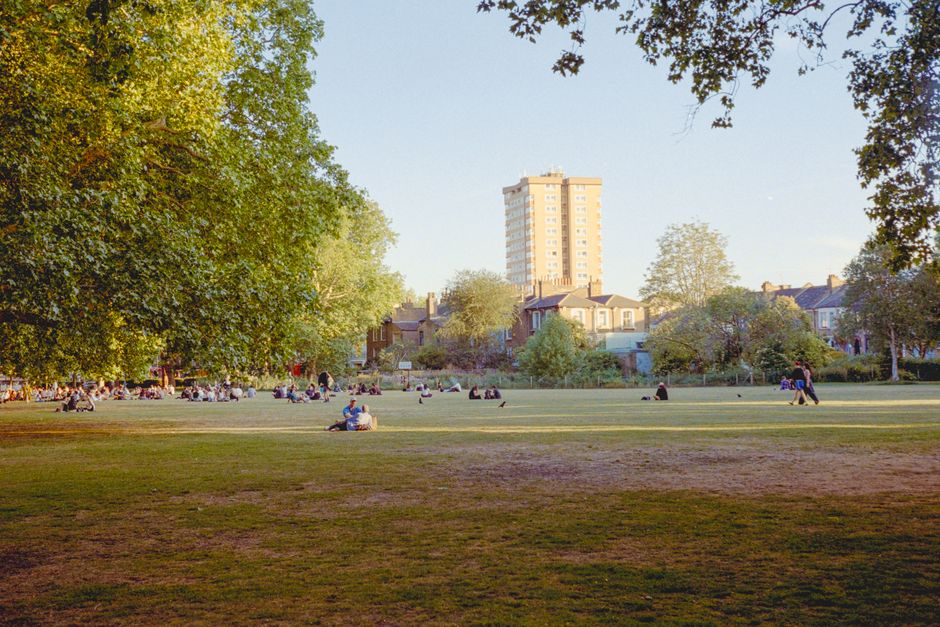
Pimlico gardeners for communal Millbank Estate green spaces: a practical guide to keeping shared gardens healthy, tidy, and welcoming
Shared gardens can be a real gift in central London. They soften brick, bring people outside, and give residents somewhere quiet to breathe for a minute. But anyone who has lived around Millbank Estate knows the same truth: communal green spaces only stay pleasant when they are looked after properly. That is where Pimlico gardeners for communal Millbank Estate green spaces come in. Good local gardeners do more than cut grass and trim hedges. They help manage seasonal change, reduce wear and tear, spot problems early, and keep the space safe enough for daily use.
If you are a resident, property manager, block committee member, or freeholder trying to make sense of the maintenance side, this guide walks through what matters, how the work usually happens, what to ask for, and how to avoid the usual mistakes. It is practical, local, and grounded in the real rhythm of shared outdoor spaces. No fluff. Just the stuff that helps.
Why Pimlico gardeners for communal Millbank Estate green spaces matters
Communal gardens are different from private ones. They have more footfall, more opinions, more edges to tidy, and more pressure from everyday use. On Millbank Estate, a planting bed can be admired by dozens of people in a single day, then trampled by a delivery route or baked by reflected heat from nearby buildings. The result? What looks like a small maintenance issue can become a bigger one surprisingly quickly.
Reliable gardeners understand that shared spaces need consistency, not just occasional attention. A patchy mowing schedule, a hedge left too long, or a neglected border can change the feel of the whole estate. You notice it in a morning light, when the lawn looks tired and the bins are visible from every angle. Not ideal, to put it mildly.
There is also a social side. Well-kept communal greenery quietly improves neighbourly pride. People are more likely to use the space respectfully when it looks cared for. They are less likely to dump rubbish, cut through planting beds, or ignore basic tidy-up habits. It sounds simple, but it works.
For shared grounds, the work often sits between routine upkeep and light landscape management. That can include lawn care, hedge trimming, seasonal planting, pruning, leaf clearance, border definition, and occasional repairs to keep access routes clear. If you need a broader overview of what a local team can handle, the services overview is a useful place to start.
How Pimlico gardeners for communal Millbank Estate green spaces works
Good communal garden care usually starts with a walk-through rather than a guess. A gardener should look at the whole site: sun exposure, drainage, wear patterns, problem areas, storage, boundaries, and how residents actually use the space. A neat garden plan on paper is one thing; what happens after a wet week and a few shoes across the grass is another.
From there, the work is normally split into routine tasks and seasonal tasks. Routine work keeps the space looking maintained week to week. Seasonal work handles the slower changes: spring growth, summer watering, autumn leaf fall, winter cutback, and the occasional reset after heavy weather. Truth be told, a shared garden in London can change character fast. One windy weekend and suddenly the whole place needs attention.
Typical tasks for communal Millbank Estate green spaces may include:
- regular grass cutting and edge detailing
- hedge trimming and boundary shaping
- weeding and border clean-up
- shrub pruning and deadheading
- leaf collection and general tidy-up
- green waste removal and responsible disposal
- spot checks for damaged plants, broken edging, or blocked access
Some estates also need related work like selective clearance after a tenant move, or light landscaping where the current layout no longer serves residents well. If that sounds familiar, pages such as garden maintenance, lawn mowing, and hedge trimming are relevant service references rather than one-off add-ons.
A well-run service should be clear about visit frequency, access arrangements, waste handling, and who signs off the work. That might seem like admin-heavy stuff, but in communal settings it saves a lot of awkwardness later on. Who wants to spend time arguing about whether the front garden was "done properly"? Nobody, really.
Key benefits and practical advantages
The obvious benefit is appearance, but there is more going on than that. Shared green spaces affect comfort, safety, and even how residents feel about the estate itself. A tidy communal area can make a block feel calmer and more cared for, which matters in busy parts of Westminster where outdoor space is precious.
Here are the main advantages in plain English:
- Better day-to-day presentation: neat lawns, clipped hedges, and clear borders make the estate look maintained rather than neglected.
- Safer access: regular cutting and clearance reduce trip hazards, hiding spots, and overgrown paths.
- Healthier planting: timely pruning and seasonal care help plants recover instead of becoming woody, tangled, or diseased.
- Less reactive spending: smaller, regular tasks are usually easier to manage than a huge catch-up job after months of neglect.
- Better resident satisfaction: people tend to value shared spaces more when they are visibly looked after.
There is also a subtle but important point: regular gardening can reduce waste. Healthy planting beds need fewer drastic interventions, and that means fewer bin bags, fewer emergency call-outs, and less disruption. If sustainability matters to your estate, it is worth asking how green waste is handled and whether the team works with a recycling-aware approach. The site's recycling and sustainability information is a sensible read for that reason.
Expert summary: the best communal garden care is not dramatic. It is steady, observant, and timed to the site's real needs. Done well, it feels almost invisible because everything just works.
Who this is for and when it makes sense
This kind of service is for anyone responsible for a shared garden or estate green space in Pimlico or nearby Millbank. That could be a residents' association, managing agent, freeholder, housing representative, or a smaller committee trying to keep the place in good shape without turning every issue into a meeting that lasts forever.
It makes sense when you notice any of these signs:
- the garden looks fine one week, then scruffy the next
- residents keep mentioning the same overgrown hedge or path edge
- the lawn has bare patches, moss, or uneven growth
- leaf build-up keeps returning and nobody wants to deal with it
- the current approach is "someone will sort it eventually"
Sometimes the issue is not neglect but uncertainty. Different residents expect different standards. One person wants a show garden; another wants low-maintenance planting; another wants the grass left longer for bees. Fair enough. A good gardener helps balance those views into a workable plan rather than trying to please everyone all at once, which is often impossible anyway.
If your estate is considering broader improvements rather than just basic upkeep, take a look at landscape gardening and landscaping. Those services are more relevant where the layout itself needs rethinking, not just tidying.
Step-by-step guidance
If you are organising gardeners for a communal estate space, the process works best when it is methodical. You do not need to overcomplicate it, but you do need a few firm steps. Skipping them is where projects wobble.
- Define the area clearly. List which spaces are included: lawns, borders, hedges, entrances, side paths, seating areas, or any planting around parking bays.
- Decide the standard. Ask what "maintained" means for your site. Some gardens need crisp edges and weekly cuts; others suit a softer, more natural style.
- Set the frequency. Weekly, fortnightly, or seasonal visits all have different outcomes. The right schedule depends on how much growth the site produces and how visible it is.
- Clarify access and key holding. Make sure the gardener knows how to enter the site, where they can work safely, and what to do if a gate is locked or a resident needs notice.
- Agree waste removal. Green waste, clippings, and cut material should be removed or managed in a way everyone understands in advance.
- Monitor the first few visits. Early jobs show whether the brief is realistic. If the lawn is being scalped or the borders are being missed, adjust quickly.
- Review seasonally. A winter plan should not be identical to a summer plan. The estate will need different attention as conditions change.
One small but useful tip: keep a simple record of what was done and when. Nothing fancy. Just enough to avoid the classic "I thought that was supposed to be cut last week" conversation. That one has a habit of popping up on rainy Thursdays.
Expert tips for better results
A few experienced habits make a very noticeable difference in communal garden care. These are the things that tend to separate a decent service from a genuinely solid one.
- Choose consistency over big cleans. Regular visits usually protect plant health and reduce patchy visual swings.
- Match plant choice to the site. Shared spaces need resilient planting that can cope with shade, footfall, and occasional neglect.
- Keep edges clean. A sharp edge around a lawn or bed can make the entire garden look better, even if the planting is simple.
- Watch water behaviour. In London courtyards and enclosed spaces, drainage and shaded damp can affect moss, disease, and wear.
- Ask for light feedback after each season. A gardener should be able to say what is thriving and what is struggling.
Another good habit is to make sure the maintenance brief includes the awkward bits. Narrow side access, stubborn weeds near paving, or low branches over a shared path should not be left out just because they are annoying to deal with. Those details are often where the real value is.
If the space has a decent lawn, ask about mowing height and seasonal adjustment. If it has hedging, ask how they handle birds and timing. If there are mature trees, work needs to be cautious and methodical; for that, the tree lopping and removal page gives a relevant sense of the service area, especially where safety or structural issues are involved.
Common mistakes to avoid
The most common mistakes are not exotic. They are usually simple planning errors that snowball. And honestly, once you have seen a few communal gardens go sideways, the pattern becomes obvious.
- Being vague about expectations: "Keep it tidy" is not enough on its own. Tidy to whom, and how often?
- Ignoring seasonality: spring growth and autumn leaf fall need different treatment. A one-size-fits-all routine gets messy quickly.
- Only reacting to complaints: once residents complain, the garden is already behind. Preventive care is usually simpler.
- Over-pruning: cutting too hard can leave hedges and shrubs looking thin, stressed, or patchy.
- Forgetting access logistics: delayed entry means delayed maintenance. Small issue, big annoyance.
- Choosing the cheapest option without review: low cost can be fine, but not if it means missed visits or poor finish.
There is one more mistake that sounds minor but causes trouble: failing to align maintenance with how residents actually use the space. For example, a seating area near a side gate may need different attention from a quiet planted courtyard. A gardener who notices usage patterns will usually do a better job. They tend to see the garden as a lived-in place, not a brochure picture.
Tools, resources and recommendations
You do not need to become a gardening expert to manage communal green space well, but it helps to understand the basic tools and service types involved. That way, you can brief work properly and spot whether it is being done at the right level.
Common tools and approaches include:
- Rotary or cylinder mowers for lawn areas, depending on finish and ground condition
- Hand shears and hedge trimmers for shaping and boundary work
- Pruning saws and secateurs for shrubs, deadwood, and smaller branches
- Leaf blowers and rakes for seasonal clearance, used carefully where noise or debris matters
- Green waste bags or collection systems for removal and tidying
From a planning point of view, the most useful resources are usually internal ones: a clear maintenance brief, a site map, a simple schedule, and a contact point for access or complaints. If you want to compare services or see what is available in one place, the services overview and pricing and quotes pages can help frame the conversation.
It is also sensible to ask about insurance, safety procedures, and what happens if a gardener spots broken paving, trip hazards, or a damaged tree branch. The practical side matters. Pretty gardens are lovely, yes, but shared spaces need to be dependable first.
Law, compliance, standards, or best practice
For communal estate spaces, the compliance side is mostly about sensible risk management and good practice rather than dramatic legal theory. Still, it should not be brushed aside. Shared green areas create responsibilities around safety, access, and contractor conduct.
At a practical level, estate managers should expect:
- clear communication about access and working times
- safe handling of tools and machinery
- awareness of trip hazards, loose edges, and obstructed paths
- care around pruning, height work, and tree-related tasks
- reasonable protection for residents, visitors, and staff during work
Best practice also means using contractors who are upfront about insurance and safety. That is especially relevant where work happens near entrances, internal routes, or shared seating areas. A neat finish is great. A safe finish is non-negotiable.
For transparency on these points, it is sensible to review health and safety policy and insurance and safety. If you are comparing suppliers, these pages can be more revealing than a polished sales pitch. Also worth noting: if you ever need to raise a concern, a clear complaints procedure is a good sign that the business takes accountability seriously.
One calm but important note: legal and management obligations can vary depending on ownership, lease terms, and site arrangements. So the safest approach is to keep maintenance decisions documented and make sure the service matches the property's actual needs. Nothing flashy. Just solid practice.
Options, methods, or comparison table
Not every communal green space needs the same level of attention. Some sites need a light-touch arrangement, while others benefit from a more involved maintenance plan. The right choice depends on visibility, size, planting complexity, and resident expectations.
| Approach | Best for | Strengths | Trade-offs |
|---|---|---|---|
| Routine maintenance only | Small, simple gardens with mostly lawn and basic borders | Predictable, easier to budget, good for keeping things neat | May not solve deeper planting or layout issues |
| Maintenance plus seasonal care | Most communal estates with varied planting and visible entrance areas | Better year-round balance, fewer surprises, healthier planting | Needs more planning and a more detailed brief |
| Maintenance plus landscaping support | Sites needing layout improvements, replanting, or a fuller refresh | Can improve use, flow, and long-term resilience | More involved, usually a bigger decision for committees |
| Clearance and reset | Overgrown or neglected communal spaces | Fast way to regain control and create a fresh baseline | Not a substitute for an ongoing care plan |
If you are unsure which method suits your space, start with a practical site review rather than making assumptions. The longest-lasting garden plans tend to be the ones that fit the place as it actually is, not as someone imagines it should be on a good day in April.
Case study or real-world example
Here is a realistic example based on the kind of situation often seen in central London communal gardens. A small estate near Millbank had a front lawn, a shaded side border, and hedging around the perimeter. For months, the garden looked "fine enough" from a distance, but residents kept mentioning muddy edges, ragged hedge lines, and leaf build-up near the entrance.
Nothing was catastrophically wrong. That was the problem, really. Because each issue seemed small, it stayed on the back burner. Then the space started to feel tired. People walked around the mud rather than through the intended path, and the border weeds became more obvious every week.
The fix was not dramatic. A gardener set up a regular maintenance rhythm, added seasonal leaf clearance, reduced hedge encroachment, and tidied the lawn edges so the whole space read as cared for. A few shrubs were pruned back rather than hacked at. The result was less about "new garden" and more about restoring the feel of the place.
That is the subtle thing with communal gardens. Once the structure is in place, the whole estate often feels calmer. Residents may not even comment on every individual task, but they notice the overall difference. And that quiet improvement is usually the real win.
Practical checklist
Use this checklist before appointing gardeners or reviewing an existing arrangement for communal Millbank Estate green spaces:
- Have the garden boundaries and maintenance zones been clearly defined?
- Is there a realistic schedule for mowing, trimming, and seasonal clearance?
- Do residents or managers agree on the standard of finish expected?
- Has access been planned so visits do not get delayed?
- Are waste removal and green waste handling clear?
- Has the site's need for hedge care, pruning, or clearance been reviewed?
- Are safety and insurance details understood before work begins?
- Is there a simple point of contact for issues or feedback?
- Are sustainability preferences, if any, properly discussed?
- Will the plan be reviewed after the first few visits and after each season?
Quick takeaway: the best communal garden plans are specific, repeatable, and easy to monitor. If your checklist is fuzzy, the maintenance will be fuzzy too. And that tends to show up fast.
Conclusion
Pimlico gardeners for communal Millbank Estate green spaces are about more than maintenance for maintenance's sake. They help shared outdoor areas stay attractive, safe, and genuinely usable. They also make life easier for the people responsible for those spaces, because a clear routine removes a lot of guesswork and a lot of last-minute panic.
Whether your estate needs steady mowing, hedge shaping, seasonal clearance, or a fuller rethink of the planting layout, the key is to start with the space as it is and build a plan that can actually hold up through the year. That is where local knowledge and consistent care really pay off.
If you are weighing up your next step, compare the service scope, review the practical policies, and make sure the brief suits the way residents use the garden day to day. If you want to speak to a local team about communal green space care, you can explore the site further through the relevant service pages and business information. Sometimes that first clear conversation is what gets a neglected space back on track.
Get a free quote today and see how much you can save.
And if nothing else, it is nice to know that a shared garden can still feel like a little pocket of calm in the middle of the city. That matters more than people sometimes realise.
Frequently Asked Questions
What do Pimlico gardeners for communal Millbank Estate green spaces usually do?
They typically handle lawn care, hedge trimming, weeding, border tidying, pruning, leaf clearance, and general maintenance for shared outdoor areas. In some cases, they also help with clearance or larger landscaping improvements.
How often should a communal estate garden be maintained?
It depends on the planting and how visible the space is, but most communal gardens benefit from regular visits rather than occasional big clean-ups. Weekly or fortnightly maintenance is common where lawns and hedges need ongoing control.
Is communal garden maintenance different from private garden care?
Yes. Shared spaces need more structure, clearer communication, and more attention to access, safety, and resident expectations. There is usually more footfall and more need for consistency.
Can gardeners help if the estate garden has become overgrown?
Yes. A garden clearance or reset can bring the space back under control before routine maintenance starts. After that, a regular plan usually prevents the same problem from returning.
What should I ask before hiring a gardener for a communal space?
Ask about visit frequency, waste removal, access arrangements, insurance, health and safety, and what is included in the maintenance brief. Clear answers at the start save a lot of confusion later.
Do communal gardens need seasonal work?
They usually do. Spring growth, summer watering, autumn leaf fall, and winter cutback all affect how the space should be managed. Seasonal adjustments help keep the garden looking balanced and healthy.
How do I know whether my estate needs maintenance or landscaping?
If the space is basically working but needs regular care, maintenance is probably enough. If the layout, drainage, planting design, or usability is the bigger issue, landscaping or landscape gardening may be more appropriate.
What happens if residents disagree about the garden style?
That is common enough. A good approach is to agree on the practical standard first: tidy, safe, and sustainable. Then you can refine things like planting style or mowing height without turning it into a row.
Are safety and insurance important for communal garden work?
Very much so. Shared spaces have residents, visitors, access paths, and sometimes vulnerable areas near entrances or parking. It is sensible to use a team that is transparent about safety and insurance.
Can a gardener help with trees or larger branches in a communal garden?
Yes, where the work is appropriate and within their service scope. Mature tree issues, unstable branches, or safety concerns may require more specialised attention, so it is worth discussing those separately.
How can we keep communal green spaces looking good on a sensible budget?
Regular, planned maintenance is usually more cost-effective than reactive repairs. Keeping the brief clear, avoiding overcomplicated planting, and tackling small issues early all help keep spending under control.
How do I get started if our estate has never had proper garden maintenance?
Start with a site review, decide the standard you want, and get a simple maintenance plan in place. If the garden is heavily neglected, begin with clearance and then move into routine care. That is usually the cleanest way forward.